Best Knee Sleeves for Beginners Who Lift or Run
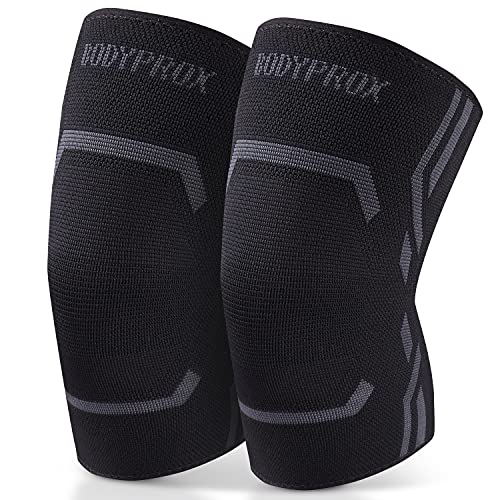
Seven knee sleeves, ranked for people buying their first pair. Bodyprox is the safe default for running and general workouts; 7mm neoprene wins for squats.

By Christopher CarrUpdated 16 min read
On this page
- Best knee sleeves for beginners at a glance
- How I screened these seven down
- What actually decides a beginner's first pair
- 1. Bodyprox Knee Compression Sleeve — Best overall
- 2. Modvel Compression Knee Brace — Runner-up
- 3. JIUFENTIAN Copper Knee Brace — Best budget pick
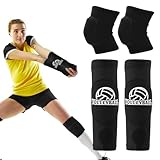
- 4. LORGVEXN Volleyball Knee Pads and Arm Sleeves — Best for beginners
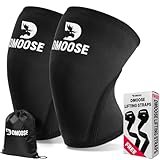
- 5. DMoose Fitness Knee Sleeves — Best premium
- 6. CAMBIVO Knee Compression Sleeves — Best for heavy use
- 7. Phantom Athletic Club 7mm Knee Sleeves — Best for families
- Thin compression or 7mm neoprene: which do you need?
- How should a knee sleeve fit the first time you wear one?
- What the listings do not tell a first-time buyer
- The verdict
- FAQ
The best knee sleeves for beginners are the Bodyprox Knee Compression Sleeves, a 6 oz pair that suits running, general gym work and everyday joint support without locking you into thick powerlifting neoprene. If your first workouts are heavy squats or leg press, the 7mm DMoose Fitness Knee Sleeves are the smarter first buy. Pick the wrong thickness and you either overheat on a jog or fold at the bottom of a squat with a sleeve that gives you nothing back.
Best knee sleeves for beginners at a glance
| Pick | Thickness / material | Sold as | Price |
|---|---|---|---|
Best overall Bodyprox Knee Compression Sleeve |
Thin compression, 6 oz pair | Pair | Check Price |
Runner-up Modvel Compression Knee Brace |
Nylon/latex, 3.88 oz pair | Pair, 6 sizes | Check Price |
Best budget pick JIUFENTIAN Copper Knee Brace |
Copper nylon blend, 5.29 oz pair | Pair | Check Price |
Best for beginners LORGVEXN Volleyball Knee Pads Set |
EVA-padded knee pads plus arm sleeves | Set | Check Price |
Best premium DMoose Fitness Knee Sleeves |
7mm neoprene claim, 0.88 lb | Pair | Check Price |
Best for heavy use CAMBIVO Knee Compression Sleeves |
3D-knit compression, 7.76 oz pair | Pair | Check Price |
Best for families Phantom Athletic Club 7mm Sleeves |
7mm neoprene claim, IPL/USPA/IWF claim | Pair | Check Price |


How I screened these seven down
I lined up the published specifications side by side and cut the picks that hid the basics. Sizing charts, weight, materials, and how the pair is sold decide whether a beginner gets what they expected in the mailer.
My cuts fell into three buckets:
- No size guidance you can act on. If the listing does not tell you how to measure your leg, a first-time buyer guesses and returns.
- Category confusion. Knee "pads" for floor sports and knee "sleeves" for compression are different products. Only one padded set survived, and it is labelled clearly.
- Single-sleeve listings. Six of the seven picks are sold in pairs, which is what a beginner actually needs.
The set that survived shares a floor: two-sleeve packs, published dimensions or size charts, and a material description you can compare against another listing. That was the bar. The ranking below sorts what is left by who the buyer is, not by which listing shouted loudest.
Amazon's search does not enforce a "beginners" tag on this category, so treat that word as a fit question, not a label a product earns. The Bodyprox pair is my default because it is the least specialised: light, thin, sold in a pair, and easy to return if the size is wrong.
What actually decides a beginner's first pair
Most first-pair guides compare colours and copper claims. Neither decides anything. Thickness does.
A 6 oz thin sleeve, like the Bodyprox pair, warms the joint and gives you proprioceptive feedback for jogging, cycling, or three sets of goblet squats. A 7mm neoprene sleeve, like the DMoose or Phantom pairs, is a different tool: firm rebound at the bottom of a heavy squat, hot to wear, and overkill for a jog around the block. The cutoff is what you actually do with the sleeve on:
- Running, walking, cardio machines, light strength work: thin compression.
- Barbell squats above bodyweight, leg press near your ceiling, powerlifting practice: 7mm neoprene.
- Volleyball, basketball, floor work with knee contact: a padded knee pad, which is a different product entirely.
Beginners overpay for thickness they cannot use. A 7mm sleeve on someone squatting an empty bar does nothing the bar itself does not already do, and it makes the movement hotter and more restrictive. That is the mistake this guide is written to prevent.
1. Bodyprox Knee Compression Sleeve — Best overall
A thin, 6 oz pair that covers running, gym cardio and light strength work without committing you to powerlifting neoprene.
Best for: a first pair for running and general gym work Skip it if: you already squat above bodyweight
Bodyprox is the pick because it does the one thing a beginner needs, and nothing they do not. The pair weighs 6 oz in the Medium listed here, which is lighter than the CAMBIVO 7.76 oz Medium and dramatically lighter than the DMoose 0.88 lb pair, and that weight difference is the whole story. Thin sleeves warm the joint, add proprioception, and stay wearable through a treadmill session or a bike commute. Thick sleeves do not.
Bodyprox says the sleeve stabilises the knee under repetitive impact and improves circulation to the muscles around the joint. Read those as the manufacturer's claims, but the underlying design, a mid-weight compression sleeve sold in a pair, is exactly the shape of thing a first-time buyer wants. Colour is black, count is two, model is BP-KneeSleeve. It is the second-cheapest of the seven picks and sells faster than the rest of this set, which matters mostly because size availability tends to be steady.
The trade-off against the DMoose or Phantom sleeves is real: at heavy squat weights it will not push back. That is fine, because most beginners are not there yet.
Pros:
- Light 6 oz pair, easy to wear through cardio
- Sold in a pair, no need to buy two singles
- Sits at the entry price band
- Wide use case, from jogging to light strength work
- Model number and size published clearly
Cons:
- No published warranty
- Not enough thickness for heavy powerlifting
- Only Medium detailed in the listed specs
2. Modvel Compression Knee Brace — Runner-up
The lightest pair in the lineup at 3.88 oz, sold with a money-back guarantee that a first-time buyer can actually use.

Best for: someone who wants a money-back guarantee on a first buy Skip it if: you want the cheapest way in
Modvel is the pick when the risk of getting the size wrong matters more than the price. It is the only sleeve here with a published guarantee, which Modvel states as "100% MONEY BACK GUARANTEE". That is the single most useful feature on a first purchase, because a compression sleeve either fits or it does not, and thigh-circumference charts do not always match a real leg. The pair is Large in the listed specs, and Modvel says six sizes run from petite to plus.
At 3.88 oz for the pair, it is the lightest sleeve in this set, lighter than Bodyprox by roughly a third. Modvel describes it as a nylon and latex blend, breathable, and washable without losing compression. Treat those as the manufacturer's claims. Dimensions are published at 0.59 x 10.2 x 7.09 in, which is a useful cross-check against another listing you might compare.
Where it loses to Bodyprox is price position: it sits in the premium band while offering a thin sleeve, so you pay for the guarantee, not for more material.
Pros:
- Published money-back guarantee
- Six-size range from petite to plus
- Lightest pair in this set at 3.88 oz
- Dimensions published for cross-checking fit
- 2021 release means the current design is on shelves
Cons:
- Premium price for a thin sleeve
- Nylon and latex, worth checking for latex sensitivity
- Only Large is detailed in the specs on file
3. JIUFENTIAN Copper Knee Brace — Best budget pick
The cheapest way to try a pair of thin compression sleeves, with a published size chart to measure against.
Best for: the cheapest way to try a pair Skip it if: you need a published warranty
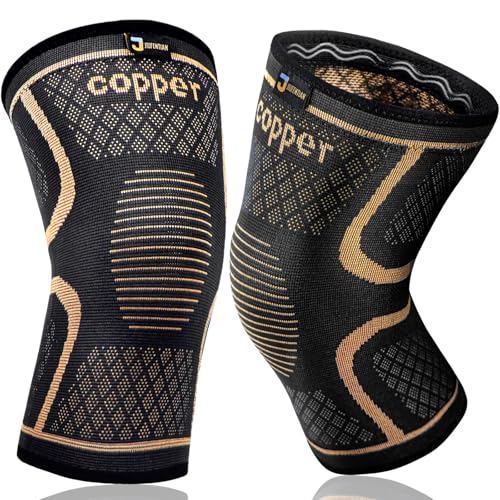
JIUFENTIAN is the cheapest of the seven picks and still meets the basic bar: two sleeves in the box, published dimensions of 0.31 x 11.4 x 6.5 in, and a size chart tied to a measurement 5 inches above the knee. That last detail is what a beginner needs, because most sizing failures come from guessing at circumference. The pair weighs 5.29 oz in the Large listed here, slightly under Bodyprox at the same category.
The brand describes the fabric as 60% copper ion fibre, 21% nylon, 16% polyester, and says the copper promotes blood flow and reduces swelling. That is a manufacturer claim, not a measured outcome, and I would not build a purchase around it. What is real is a thin, snug pair with a double-layer anti-slip strip that JIUFENTIAN says keeps the sleeve from rolling.
Against Bodyprox, it gives up nothing on the essentials and undercuts on price. Against Modvel, it gives up the money-back guarantee. That is the trade the budget position asks for.
Pros:
- Cheapest pair in this set
- Published sizing method above the knee
- Anti-slip strip claim addresses the main first-pair complaint
- Dimensions and weight both published
- Sold as a pair
Cons:
- No published warranty
- Copper benefit is a manufacturer claim, not a specification
- Slower seller than Bodyprox in this set
4. LORGVEXN Volleyball Knee Pads and Arm Sleeves — Best for beginners
A padded set, not a compression sleeve, for beginners whose knees hit the floor.
Best for: a beginner volleyball or floor-sport player Skip it if: you want compression sleeves for the gym
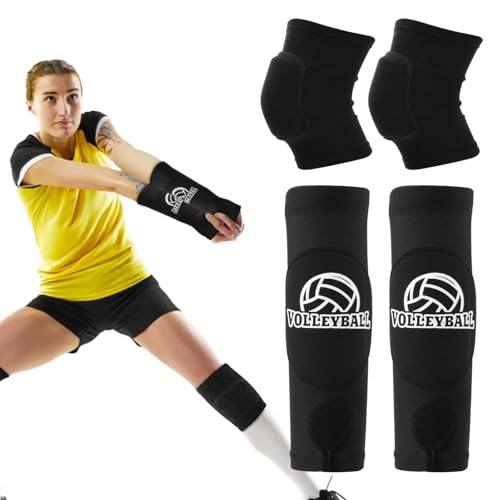
This one is here because the word beginner in a search does not always mean the gym. If you are new to volleyball, basketball or any sport that lands you on your knees, a padded knee pad is a different product from a compression sleeve, and it is what you actually need. LORGVEXN sells a set: one pair of knee pads with thickened EVA sponge padding, plus one pair of arm sleeves with thumb holes. That is the manufacturer's description.
The listed count is 1, which reads as one set, not one pad, and colour is black. There is no weight or dimension figure on file, which is a real gap: it is the least documented pick in the set. It sits at an entry price and the slowest-selling position of the seven, which likely reflects a narrower audience rather than any product problem.
The trade against every other pick here is category, not quality. If you are lifting or running, choose one of the sleeves above. If you are diving for a ball, choose this and skip the compression debate.
Pros:
- Padded knee pads plus arm sleeves in one order
- EVA sponge cushioning for floor contact
- Thumb holes on the arm sleeves for finger flexibility
- Entry price band
- Clear category fit for indoor court sports
Cons:
- Not a compression sleeve, so not comparable for lifting
- No weight or dimensions published
- Fewest published specifications in the set
5. DMoose Fitness Knee Sleeves — Best premium
7mm neoprene for beginners already loading the bar, with a five-size chart you can measure against.

Best for: a beginner already squatting or leg-pressing Skip it if: you only want light compression for jogging
If your first workouts include a barbell on your back, this is the pick. DMoose says the sleeves are 7mm neoprene with anti-slip silicone lining, and lists five sizes with circumference ranges: Small 11.8 to 13.0 in, Medium 13.0 to 14.2 in, Large 14.2 to 15.7 in, X-Large 15.7 to 17.0 in, XX-Large 17.0 to 18.3 in. A published size range that specific is worth more than any marketing bullet, because it lets you buy once.
The pair weighs 0.88 lb in the Large listed here, which is markedly heavier than the thin sleeves above and tells you exactly what you are getting: firm, warming compression that pushes back at the bottom of a squat. DMoose describes the seams as heavy-duty double-stitched. Take that as the manufacturer's durability claim, not a lab number.
This is the most expensive pick in the set, so the trade is straightforward: you spend more, you get a sleeve you cannot use for a light jog. If you never lift heavy, save the money and pick Bodyprox.
Pros:
- 7mm neoprene claim for firm compression
- Five-size chart with published circumference ranges
- Anti-slip silicone lining claim
- Anatomically contoured cut
- Model number and count published
Cons:
- The most expensive pick in this set
- Too warm for cardio or light strength work
- Heaviest pair here at 0.88 lb
6. CAMBIVO Knee Compression Sleeves — Best for heavy use
A mid-price pair with the fullest specification sheet in the thin-sleeve group.

Best for: daily wear across running, lifting and standing shifts Skip it if: you want the lightest sleeve here
CAMBIVO sits between the thin sleeves and the 7mm pairs. The Medium pair weighs 7.76 oz, dimensions are 1.18 x 10.6 x 7.09 in, and the model is NS10. That is more paperwork than most of the thin picks publish, and it makes CAMBIVO the pick when you plan to wear a sleeve most days across mixed activity: run in the morning, warehouse shift, gym after work.
CAMBIVO describes the design as 3D-knit compression with double-lined anti-slip silicone grip rings, breathable four-dimensional stretch fabric, and an ergonomic contour. Read those as claims, but the double grip ring in particular is the feature that addresses the first-pair complaint: sleeves that roll or slide during a set. It sits mid-range for this set in price and sells faster than the two premium neoprene picks.
The trade against Bodyprox is weight: at 7.76 oz for the pair versus 6 oz, you feel more material. Against DMoose, it will not stop a heavy squat from folding you.
Pros:
- Fullest specification sheet among the thin sleeves
- Double anti-slip silicone ring claim
- Mid-range price in this set
- Dimensions and weight both published
- 3D-knit compression claim from CAMBIVO
Cons:
- Heavier than Bodyprox or Modvel
- Not enough thickness for competition powerlifting
- No published warranty
7. Phantom Athletic Club 7mm Knee Sleeves — Best for families
A second 7mm neoprene option, useful when two people in the household want the same setup.

Best for: a household kitting out two lifters Skip it if: your first workouts are jogging or cycling
Phantom is the second 7mm pair here, useful because two lifters at home rarely wear the same size, and having two brand choices at similar thickness helps. The listed pair is Medium, colour black and slate, count two. Phantom says the sleeve is 7mm neoprene, IPL, USPA and IWF compliant. Those are federation compliance claims from the brand, not verified test results, but they tell you the intended user: someone lifting under those rulebooks.
Phantom's own sizing note tells you to pick the larger size if you sit between two, or if you have large calves or quads. That is a useful line for a first-time buyer, because 7mm neoprene fits tighter than thin compression and undersizing is the common mistake.
Fewer specifications are published here than for DMoose: no weight figure on file, no dimensions, no model number. That is the trade for a second brand at the same thickness. In the same use case, DMoose gives you a fuller size chart.
Pros:
- 7mm neoprene claim
- Sold as a pair
- Federation compliance claims for competition context
- Clear guidance to size up between sizes
- Slate colour option, not just black
Cons:
- Weight and dimensions not published
- Premium price band
- Fewer specifications than the DMoose pair
Thin compression or 7mm neoprene: which do you need?
The choice sounds technical and is not. It is a question about what you do for the next three months.
Thin compression sleeves, at roughly 3.88 to 7.76 oz per pair in this set, are the right answer if your training is any of:
- Running, hiking or walking
- Cycling, spin or elliptical
- General strength work with dumbbells or machines
- Standing shifts where the knees ache by hour six
7mm neoprene, in the DMoose and Phantom pairs, is the right answer if any of these are on your programme:
- Barbell back squats above bodyweight
- Barbell front squats
- Heavy leg press near your working ceiling
- Powerlifting practice under federation rules
If your training is a mix of the two, buy the thin pair first. The 7mm pair earns its place once you are strong enough to feel the rebound. A beginner cannot use rebound they cannot generate.
How should a knee sleeve fit the first time you wear one?
Snug enough to leave a light mark where the top hem sits after ten minutes, loose enough to bend to a full squat without cutting off blood flow behind the knee. That is the working range, and it is why sizing guides matter more than any other spec.
Two habits save returns. Measure the thigh five inches above the knee cap, as JIUFENTIAN's chart tells you to do. If a listing gives you a range, and you sit between sizes, size up on 7mm neoprene and size down on thin compression. Phantom's own note says to size up on 7mm, and that lines up with how the material behaves.
What the listings do not tell a first-time buyer
Three things the specifications will not surface, and all three cost first-time buyers money:
- Washing matters. Modvel says its blend washes without losing compression. Most sleeves do not survive a hot dryer. Air-dry unless the listing tells you otherwise.
- Pair count is not standard. Six of the seven picks are sold as a pair. Read the count field before you buy, because a single sleeve at a similar price is not the same offer.
- Colour is cosmetic, weave is not. Copper claims and colour options do not decide performance. Thickness, weight and the size chart do. If the listing hides those, treat that as the answer.
One more piece of context. Amazon's category tree splits this market: compression sleeves live under Leg and Foot Supports, knee pads live under Protective Gear, and knee wraps live under Joint Wraps. If you buy across categories thinking you are comparing like with like, you are not. The LORGVEXN set is a padded product in a different bucket, and that is why it wins a different profile.
The verdict
If you want one pair to start with, buy the Bodyprox Knee Compression Sleeves. They are 6 oz for the pair, sold in a pair, priced in the entry band, and they fit the widest range of what a beginner actually does in month one. That is the whole case.
The cutoff is barbell weight. If your programme has heavy back squats or leg press in it already, buy the DMoose Fitness Knee Sleeves instead. DMoose's 7mm neoprene claim and five-size chart, from Small at 11.8 to 13.0 in through XX-Large at 17.0 to 18.3 in, is the fullest sizing information in the set, and it is the sleeve you want under a loaded bar. If your training crosses the cutoff both ways, own both pairs and use them for different sessions. The mistake is buying 7mm neoprene for jogging or thin compression for a heavy squat. If floor-sport contact is what put you in this search, the LORGVEXN set is a different product for a different problem, and it is the right buy for that case.
FAQ
Are knee sleeves worth it for a beginner?
Knee sleeves are worth it for a beginner when the training warms cold joints, adds compression through a repetitive movement, and gives some proprioceptive feedback on knee position. A 6 oz thin pair like Bodyprox covers running and general gym work, while 7mm neoprene like DMoose is only worth it if a barbell squat is already on your programme.
Is a 7mm knee sleeve worth it for someone just starting to lift?
A 7mm knee sleeve is worth it once bar weight on your squat or leg press starts to feel heavy, not before. Below that point, the DMoose or Phantom 7mm neoprene claim gives you rebound you are not yet strong enough to use, and the sleeve runs hot. Start with Bodyprox at 6 oz, move up when you feel the bar bend.
What size knee sleeve should a first-time buyer choose?
First-time buyers should measure the thigh five inches above the knee cap, as JIUFENTIAN's chart specifies, and compare that figure to the listing's range. DMoose publishes five ranges from 11.8 to 18.3 in. If you sit between two sizes, size up on 7mm neoprene as Phantom advises, and size down on thin compression like the Modvel 3.88 oz pair.
Bodyprox versus DMoose: which should a beginner buy first?
Between Bodyprox and DMoose, a first-time buyer should almost always buy Bodyprox first. Bodyprox is 6 oz for the pair, thin, and priced in the entry band, so it fits running and general gym work. DMoose is 7mm neoprene, heavier at 0.88 lb, priced at the top of this set, and only earns its place once heavy barbell squats are on the plan.
What is the most common knee sleeve mistake beginners make?
The most common knee sleeve mistake is buying thickness they cannot use. A 7mm neoprene pair on someone squatting an empty bar or jogging around the block is hot, restrictive and pointless. The other common mistake is skipping the size chart. Modvel, JIUFENTIAN and DMoose all publish measurement guidance, and using it prevents the single largest cause of returns.
You do not need to solve the whole category on a first buy. Pick the pair that matches what you are already doing, learn how your knees respond to warmth and compression across a couple of weeks, and move up in thickness only when the barbell earns it. For most beginners reading this, Bodyprox at 6 oz is the pair that gets worn every session and settles the question. Keep the box, check the size against the chart on day one, and if it does not fit, return it before it gathers dust in a drawer. Sleeves are a tool. The right one is the one you will actually put on.